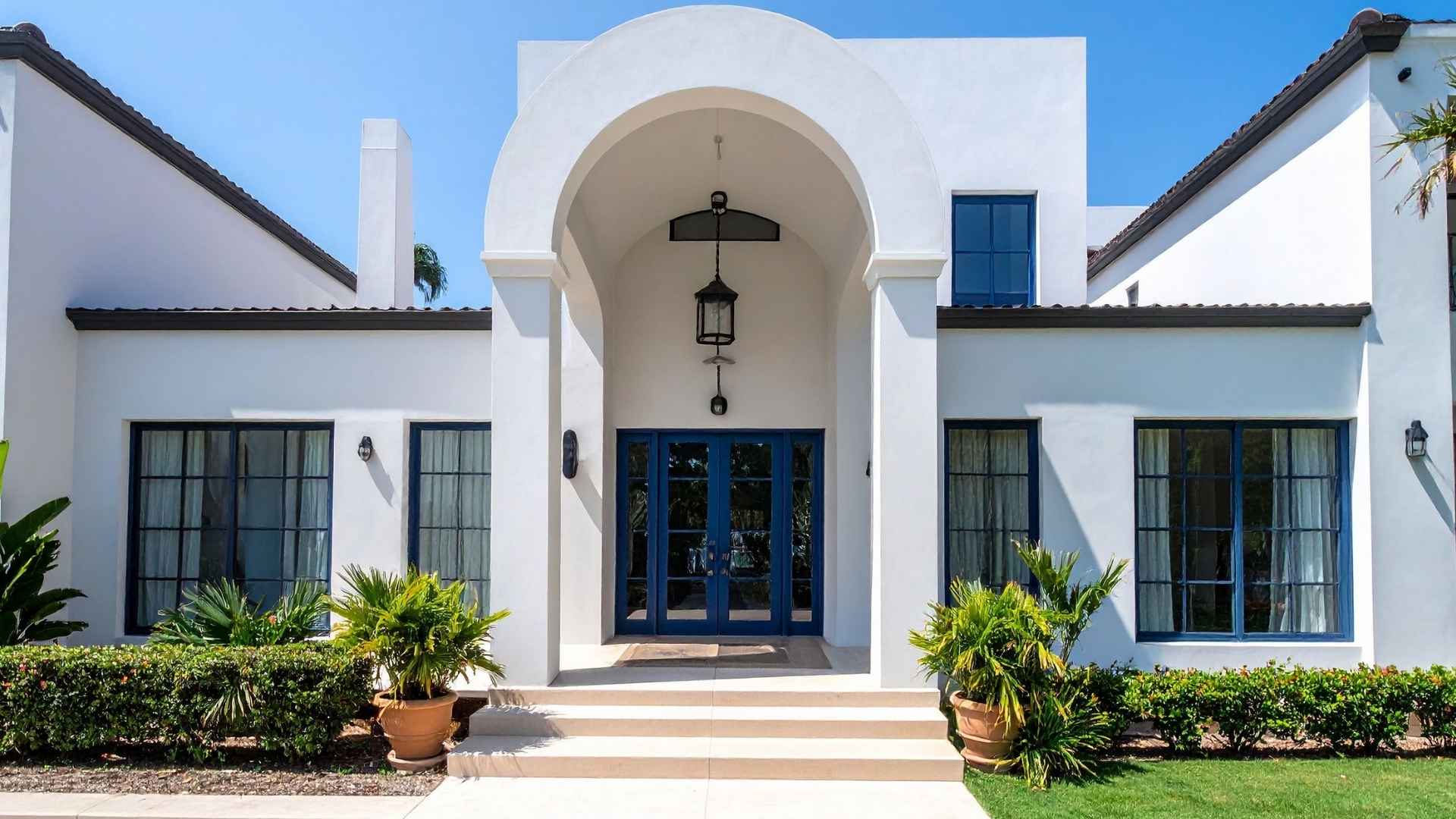
For many buyers, the purchase price is the number that receives the most attention. It affects the down payment, monthly payment, loan amount, closing costs, and overall sense of affordability. But when real estate is viewed as a long-term wealth asset, the purchase price is only one part of the decision.
A home is also a place to live, grow, gather, work, and build stability. Over time, it may become a source of equity, financial flexibility, rental income, tax planning opportunities, or generational wealth. That does not mean every home is automatically a strong investment. It means buyers should look beyond the immediate transaction and think carefully about how the property may perform, function, and adapt over time.
In Los Angeles and across Southern California, where real estate values can vary dramatically by neighborhood, street, lot, condition, architecture, and long-term demand, this broader perspective is especially important.
Location Still Drives Long-Term Value
Real estate is often described as location-driven for good reason. A home’s long-term value is strongly shaped by where it sits, what surrounds it, and how desirable that location remains over time.
For buyers, location is not just about choosing a well-known neighborhood. It is about understanding the specific qualities that support demand. Proximity to employment centers, entertainment studios, restaurants, schools, parks, shopping, major corridors, and lifestyle amenities can all influence how a property is perceived by future buyers.
In Los Angeles, micro-location can matter as much as the broader city or neighborhood name. A quiet residential street may command a different level of interest than a busier through street nearby. A home with canyon access, privacy, views, walkability, or convenient commuter routes may appeal to a wider pool of buyers over time.
The right location can help protect value because it gives future buyers a reason to care about the property beyond the structure itself.
Think About the Land, Not Just the House
Buyers naturally focus on the home they can see: the kitchen, bathrooms, bedrooms, finishes, layout, and curb appeal. Those details matter, but the land beneath the home often plays a major role in long-term value.
Lot size, usable yard space, privacy, orientation, topography, outdoor living potential, parking, views, and expansion possibilities can all affect a property’s long-term appeal. A home can be remodeled, redesigned, or updated. A poor lot is much harder to change.
In many Southern California markets, buyers place a premium on properties that offer flexibility. A flat backyard, a guest house, room for a pool, a usable patio, or potential for an accessory dwelling unit can make a property more valuable to future buyers. Even if a buyer does not plan to use every option immediately, flexibility can preserve choices.
Flexibility Can Be a Form of Value
A strong long-term real estate asset is often one that can adapt to changing life circumstances. A buyer’s needs today may not be the same five, ten, or twenty years from now.
A home office may become a nursery. A guest room may become a creative studio. A detached structure may become useful for extended family, guests, rental income, or work-from-home privacy. A large yard may become more important as a family grows. A single-level floor plan may become more desirable later in life.
When evaluating a home, buyers should ask how adaptable the property is. Does the floor plan allow for different uses? Is there room to improve the property without overbuilding for the neighborhood? Could the home work for multiple future buyer profiles?
Homes with flexibility tend to appeal to more people, and broader appeal can support stronger resale value.
Resale Should Be Considered Before You Buy
Even buyers who plan to hold a property for many years should think about resale before purchasing. Life can change. Careers shift, families grow, financial goals evolve, and unexpected opportunities arise. A home that seems permanent today may eventually need to be sold.
Resale thinking does not mean buying only the safest or most conventional property. It means understanding what future buyers are likely to value and what may limit demand.
Potential resale strengths may include a desirable school area, architectural character, natural light, a functional floor plan, outdoor living space, privacy, parking, updated systems, or proximity to sought-after amenities. Potential resale concerns may include awkward layouts, steep or unusable lots, limited parking, excessive stairs, poor natural light, unusual renovations, or location drawbacks that cannot be easily corrected.
The best time to think about future marketability is before the offer is written, not when it is time to sell.
Condition and Systems Matter Over Time
A beautiful home can still carry hidden costs. Roofs, plumbing, electrical systems, HVAC, drainage, foundations, windows, pools, retaining walls, sewer lines, and hillside conditions can all affect ownership costs and long-term value.
Buyers should look beyond surface finishes and understand the condition of the property’s major systems. Updated kitchens and baths are appealing, but they do not replace the importance of sound infrastructure. A home that looks stylish but requires substantial unseen repairs may not be as strong an asset as it first appears.
Inspections, disclosures, contractor opinions, and careful review of maintenance history can help buyers make better decisions. The goal is not to avoid every imperfection. The goal is to understand what ownership will realistically require.
Rentability Can Add Financial Flexibility
Not every buyer plans to rent out a property, but rentability can still be an important part of long-term wealth planning. A home that could appeal to renters may offer options if the owner relocates, keeps the property as an investment, or wants to generate income in the future.
In Los Angeles, rentability may depend on neighborhood demand, proximity to employment or entertainment hubs, property condition, layout, parking, outdoor space, and local rental regulations. A guest unit, detached studio, duplex configuration, or accessory dwelling unit may add flexibility, but buyers should always confirm what is legally permitted and consult qualified professionals before relying on rental income assumptions.
The key point is optionality. A property that can function well as both a primary residence and a potential income-producing asset may provide more long-term choices.
Do Not Ignore Carrying Costs
Long-term wealth is not only shaped by appreciation. It is also affected by the cost of holding the property. Mortgage payments, property taxes, insurance, maintenance, repairs, utilities, HOA dues, landscaping, pool service, security, and improvement costs all influence the true financial picture.
In higher-value markets, these costs can be significant. A buyer may be able to afford the purchase but feel strained by the ongoing obligations. That can limit the ability to maintain the home properly, invest in improvements, or comfortably hold the property through market cycles.
Smart buyers evaluate the total cost of ownership. A slightly lower purchase price may not be a bargain if the home requires major repairs or carries unusually high ongoing costs. Likewise, a higher-quality property may be worth more if it reduces near-term maintenance risk and supports long-term desirability.
Improvements Should Be Made With the Future in Mind
Many buyers plan to personalize a home after purchase. That is part of the appeal of ownership. But when real estate is viewed as a long-term asset, improvements should be considered carefully.
Some upgrades support both lifestyle and value. These may include better indoor-outdoor flow, updated kitchens and bathrooms, improved lighting, energy-efficient systems, quality flooring, refreshed landscaping, usable outdoor spaces, and functional floor plan improvements.
Other changes may be highly personal and less valuable to future buyers. Over-customized finishes, unusual room conversions, or improvements that exceed the expectations of the neighborhood may not return as much value as expected.
The best improvements usually make the home more livable, more beautiful, and more broadly appealing. Buyers should enjoy their homes, but it is wise to make major decisions with future marketability in mind.
Real Estate Wealth Often Comes From Patience
Real estate is typically not a short-term strategy. While some buyers benefit from favorable timing, many homeowners build wealth through patience, equity growth, mortgage paydown, thoughtful improvements, and holding property through changing market conditions.
Markets rise and cool. Interest rates change. Buyer preferences evolve. But well-located, well-maintained properties in desirable areas often continue to attract attention over time. The strongest results may come from buying carefully, owning responsibly, and making strategic decisions along the way.
That long-term view can help buyers avoid emotional mistakes. Instead of focusing only on winning a property, they can focus on whether the property is truly worth owning.
Professional Guidance Can Help Buyers See the Bigger Picture
Buying a home is both emotional and financial. It is easy to fall in love with a property’s look, setting, or lifestyle promise. It is also easy to become distracted by price alone. The strongest buying decisions often come from balancing both perspectives.
Experienced real estate guidance can help buyers evaluate the property more clearly. That includes reviewing comparable sales, neighborhood trends, resale factors, inspection concerns, improvement potential, buyer demand, and long-term fit.
Gary Dean and Traci bring practical real estate knowledge, local market insight, and an investor-minded perspective to the buying process. For clients looking at real estate as more than a transaction, that broader guidance can be especially valuable.
A Home Should Work Today and Make Sense Tomorrow
The best real estate decisions are rarely based on one factor. Price matters, but so does location, land, condition, flexibility, resale potential, lifestyle, rentability, and the ability to comfortably hold the property over time.
For buyers in Los Angeles and throughout Southern California, thinking beyond the purchase price can lead to better decisions and stronger long-term outcomes. A home should serve the way you live now, but it should also make sense for the future you are building.
When buyers approach real estate as a long-term wealth asset, they are better prepared to choose a property with confidence, purpose, and perspective.