If you are preparing to sell your home in 2026, one of the biggest questions is whether you should renovate before listing or simply bring the property to market as it is. The answer is usually not “renovate everything.” In most cases, the smartest pre-sale strategy is to focus on the updates that improve presentation, functionality, and buyer confidence without overinvesting in projects that will not fully pay you back.
Not Every Renovation Is a Smart Pre-Sale Renovation
Many homeowners assume that spending more automatically leads to a higher sale price. In reality, buyers do not reward every dollar equally. Some projects improve how a home shows and how buyers feel when they walk in. Others may be personally satisfying for the owner but do little to strengthen the home’s resale position.
That distinction matters. The National Association of REALTORS® and NARI’s 2025 Remodeling Impact Report found a meaningful difference between projects that create homeowner joy and projects that produce the strongest cost recovery. In other words, what feels exciting to renovate is not always what makes the most sense before selling. According to NAR, REALTORS® most often recommend painting, selective interior refreshes, and roofing-related improvements, while buyers have shown especially strong demand for kitchen upgrades, roofing, and bathroom renovations. :contentReference[oaicite:1]{index=1}
Start With Repairs, Condition, and Credibility
Before thinking about style upgrades, start with anything that signals deferred maintenance. Leaky faucets, doors that do not close properly, worn trim, damaged flooring, stained surfaces, old caulking, or visibly tired exterior details can create doubt in a buyer’s mind. Even when the issues are minor, they can make the whole home feel less cared for.
Gary Dean & Traci’s own seller guidance reflects this approach: obvious repairs, curb appeal, decluttering, and neutral presentation all matter before a home hits the market. Those improvements often do more to support value than a dramatic last-minute overhaul. :contentReference[oaicite:2]{index=2}
Paint Is Still One of the Simplest Wins
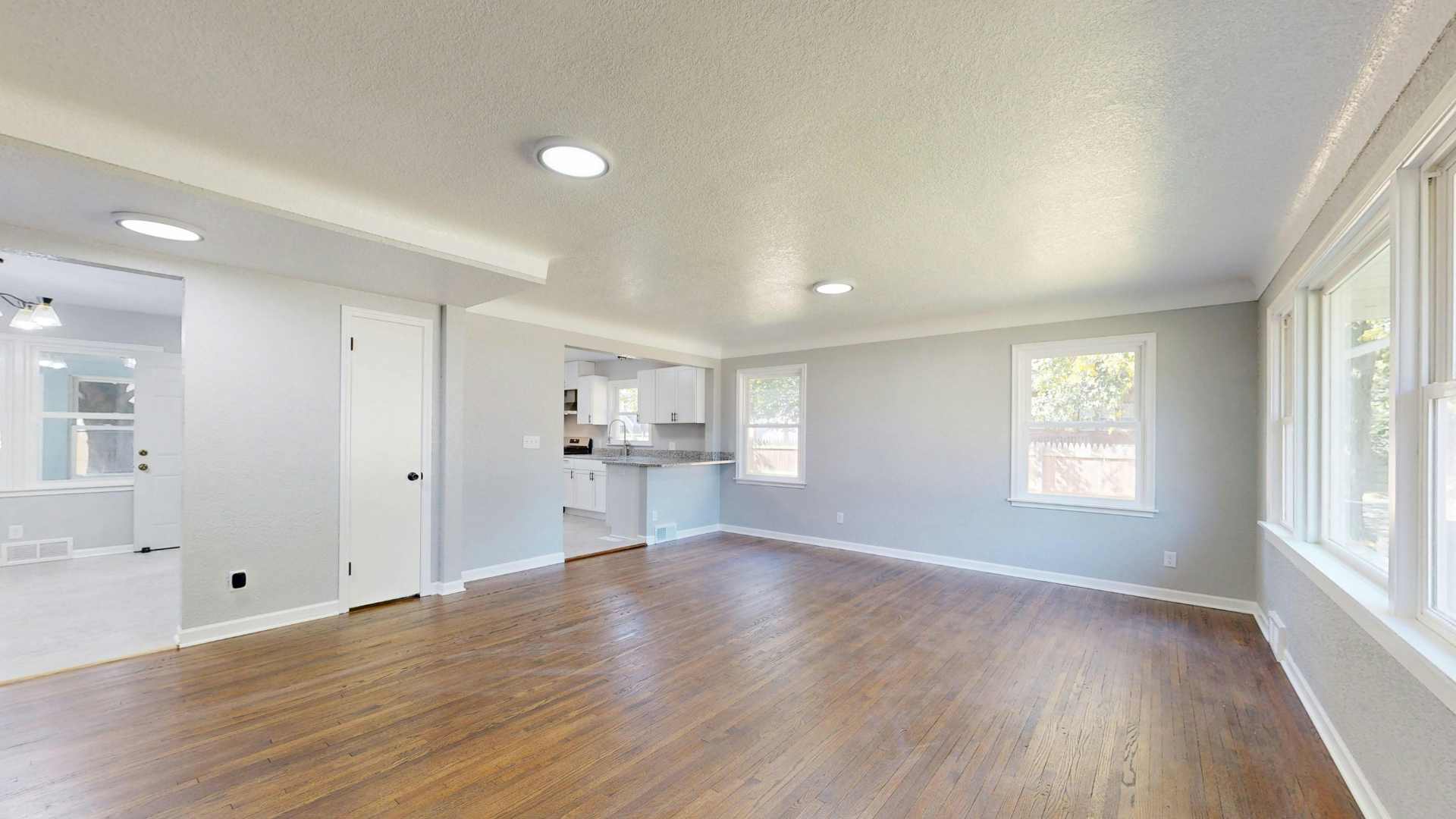
Fresh paint remains one of the most practical updates before listing because it improves first impressions quickly and relatively affordably. It brightens interiors, helps rooms feel cleaner, and gives buyers a more move-in-ready impression. Neutral tones also make it easier for buyers to imagine their own style in the home.
NAR reported that painting the entire home was the remodeling project most commonly recommended by REALTORS® before listing, followed by painting a single interior room. That is a strong signal that cosmetic simplicity still matters in today’s market. :contentReference[oaicite:3]{index=3}
Kitchens and Baths Matter, but Scope Matters More
Kitchens and bathrooms remain two of the most buyer-sensitive areas in nearly every market. But there is a big difference between a strategic refresh and a full custom remodel. Replacing dated hardware, lighting, countertops, faucets, mirrors, or select appliances may help the home show better without pushing costs too high. A deep, fully bespoke renovation shortly before selling may not return what it cost.
The current data supports this more measured approach. The 2025 Cost vs. Value Report shows that a minor midrange kitchen remodel had a strong national average cost recouped figure of 113%, while a midrange bath remodel came in at 80%. Those are useful reminders that practical updates can outperform more expansive projects when resale is the goal. :contentReference[oaicite:4]{index=4}
Exterior Improvements Often Outperform Expectations
Homeowners sometimes focus almost entirely on interiors, but the exterior is where buyer perception begins. If the home does not feel inviting from the curb, buyers may walk in already skeptical. That is why exterior improvements often deliver some of the best resale outcomes.
The 2025 Cost vs. Value Report found especially strong national average returns for projects like garage door replacement, steel entry door replacement, manufactured stone veneer, and fiber-cement siding replacement. These are not glamorous renovations, but they can dramatically improve how a property presents at first glance. :contentReference[oaicite:5]{index=5}
Roofing, Systems, and Buyer Confidence
Some of the best pre-sale spending is not visually dramatic at all. A newer roof, updated systems, and clearly maintained core components can reduce buyer anxiety and strengthen negotiations. Buyers may be willing to personalize finishes later, but they are often more cautious about properties that appear to need expensive functional work right away.
NAR reported that new roofing ranked highly both in homeowner satisfaction and in projects REALTORS® recommend before listing, and that NAR members have seen increased demand for roofing-related improvements in recent years. That makes roofing a good example of a project that supports both presentation and peace of mind. :contentReference[oaicite:6]{index=6}
Do Not Over-Improve for the Neighborhood
One of the biggest seller mistakes is upgrading a home beyond what the neighborhood or likely buyer pool will support. A highly personalized remodel with luxury finishes may make sense if you plan to enjoy it for years. It is often less effective when the goal is to sell soon and recover the investment.
Before spending heavily, compare your home to nearby competing listings, recent sales, and what buyers at your price point actually expect. In some areas, a clean, polished, move-in-ready home wins over a more expensive property with improvements the market did not truly ask for.
Sometimes a Credit Is Better Than a Remodel
If a kitchen, bath, or flooring package is truly dated, there are times when giving the buyer room to choose may be better than making the decision for them. Gary Dean & Traci’s seller page makes this point directly: when a kitchen is very outdated or carpet truly needs replacing, seller credits can be a practical alternative to major renovations that may not be fully recouped. :contentReference[oaicite:7]{index=7}
This approach can be especially useful when the likely buyer may have strong style preferences or when the renovation timeline would delay the listing. A credit can keep the home moving toward market while preserving flexibility in negotiations.
Think Like a Buyer, Not a Designer
The best pre-sale improvements are usually the ones that reduce objections, increase trust, and help the property feel well cared for. Clean lines, fresh surfaces, updated lighting, repaired details, strong curb appeal, and an overall sense of readiness often outperform highly customized design work when resale is the priority.
In 2026, buyers remain value-conscious and comparison-driven. They notice condition. They notice maintenance. And they notice when a home feels easy to step into without a long to-do list attached.
Final Thoughts
So, should you renovate before you sell? Often yes, but selectively. The goal is not to remodel for your own dream outcome. The goal is to position the home so that buyers respond quickly and confidently.
Smart sellers usually focus on repairs, paint, presentation, curb appeal, and strategic updates to kitchens, baths, and major systems where needed. The right improvements can absolutely pay off. The wrong ones can consume time and money without meaningfully improving your result. Before starting, it is worth evaluating the home through the eyes of today’s buyer and the realities of your local market.